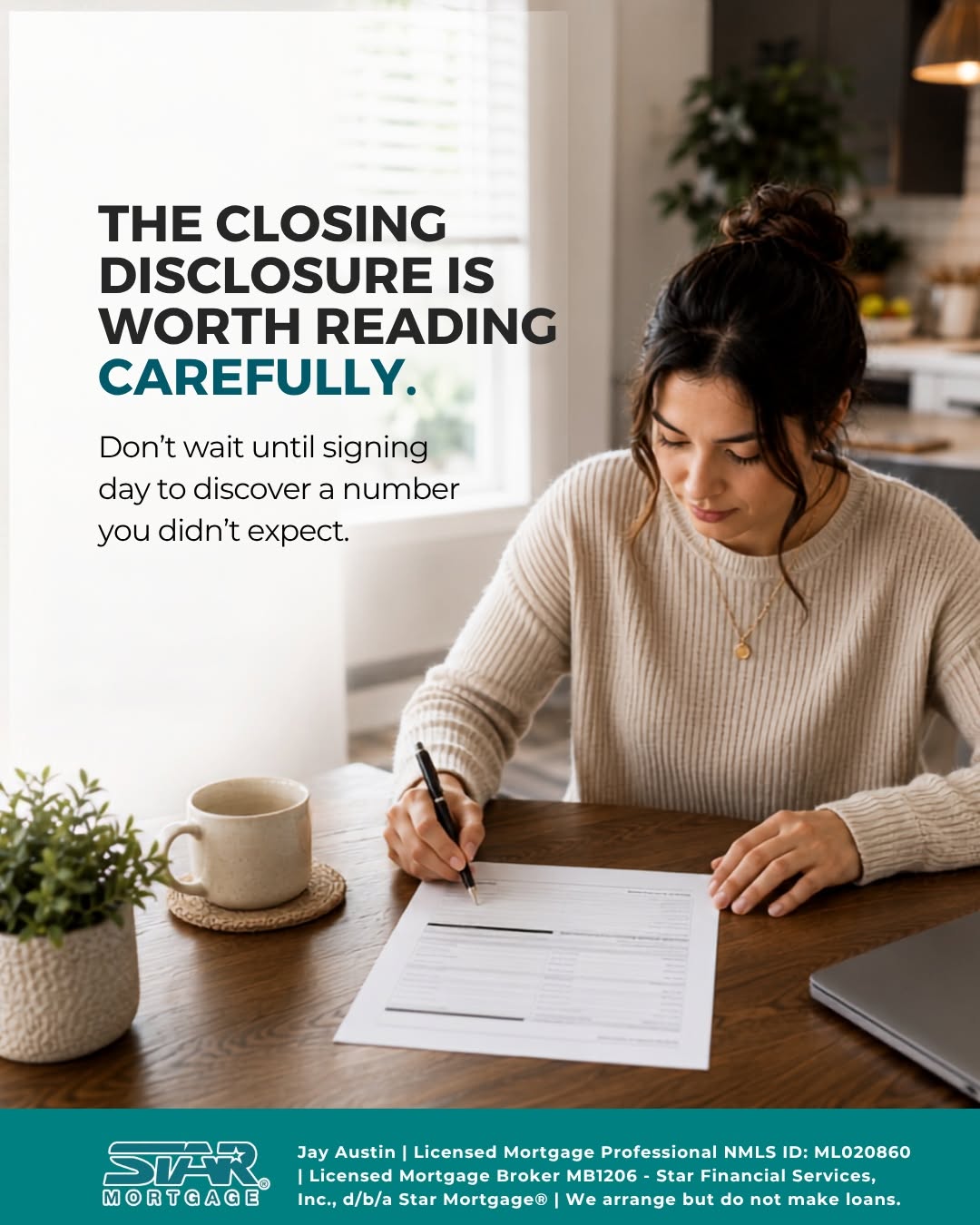
Buying a home is a journey filled with excitement, but it can also bring about a lot of questions, especially when it comes to the paperwork involved. One of the most important documents you’ll encounter during this process is called the Closing Disclosure. Understanding this document can help you feel more confident and make your home buying experience smoother.
So, what exactly is the Closing Disclosure? Think of it as a detailed summary of your mortgage loan. It outlines everything you need to know about your loan terms, monthly payments, and closing costs. You will receive this document at least three days before your closing date, which is the day you officially buy your new home. This waiting period is a great opportunity to review the details carefully, and I encourage you to take your time with it.
Let’s break down the key sections of the Closing Disclosure so you can easily navigate through it and understand what each part means.
The first section you'll see is about the loan terms. Here, you'll find the loan amount, interest rate, and whether the loan has a fixed or adjustable rate. A fixed-rate mortgage means your interest rate stays the same for the life of the loan, while an adjustable-rate mortgage can change after a set period. Understanding this difference is crucial because it influences your monthly payments in the long run.
Next, the Closing Disclosure will provide details about your monthly payments. This section is super important because it tells you how much you will owe each month. Your monthly payment will typically include your loan payment, property taxes, homeowner's insurance, and possibly private mortgage insurance (PMI) if your down payment is less than 20%. Knowing what’s included in your monthly payment helps you budget better and avoid any surprises later!
Another key area to review is the closing costs. This section breaks down the fees you’ll need to pay when finalizing your loan. Closing costs can include things like appraisal fees, title insurance, and recording fees. Take note of these costs because they can add up quickly and impact the total amount you will need to bring to the closing table. It’s also a good idea to compare these costs with the estimates you received earlier in the process.
You may also notice a section on the Loan Estimate. This document is given to you early in the mortgage process, and it should be similar to what you see on the Closing Disclosure. If you notice any major discrepancies, don’t hesitate to ask your lender for clarification. Understanding the differences can help you see where changes occurred and why.
One aspect that often confuses borrowers is the prepayment penalty section. This tells you if there are any fees for paying off your loan early. Many loans don’t have this penalty, but it’s important to check if yours does, especially if you think you might want to pay off your mortgage sooner than anticipated.
As you review your Closing Disclosure, you’ll also come across information about your escrow account. If your monthly payment includes property taxes and homeowners insurance, then your lender may set up an escrow account on your behalf. This account collects a portion of your monthly payment to cover these costs when they come due. It’s a helpful system that can keep you from having to pay large sums all at once, but make sure you understand how much is being collected for escrow and how it affects your total monthly payment.
Don’t forget to look closely at the section on loan disclosures. This part gives you information about your right to cancel certain transactions, what happens if you miss payments, and other important legal terms. While it might seem a bit overwhelming, having this information can protect you in the long run.
You might be wondering how much time you have to review your Closing Disclosure before your closing date. As a rule of thumb, you’ll want to take the full three days to carefully read through every line. This is your chance to ask questions, seek clarifications, and ensure that everything aligns with what you expected. Don’t hesitate to reach out to your mortgage loan officer—this is what we are here for!
If you see any fees you weren’t expecting, or if something doesn’t look right, bring it up. It’s better to address these issues before signing the final paperwork. Remember, you have the right to understand every detail.
Another tip is to calculate your break-even point. This is the point at which your monthly savings from a lower interest rate or different loan terms outweigh the closing costs. Understanding this can help you make informed decisions about your loan and financial future.
As you navigate your Closing Disclosure, keep in mind that no question is too small. If there's a term you don’t understand or a number that seems off, ask for clarification. It’s essential that you feel secure in your understanding of your mortgage.
Finally, I encourage you to reach out to discuss your specific needs and how you can best navigate your Closing Disclosure. This document is a crucial part of your home-buying experience, and having a knowledgeable partner by your side can make all the difference. Don’t hesitate to take that step forward; I’m here to help you every step of the way!